
Lower heating and cooling costs
Ceiling insulation slows the main path of winter heat loss. Underfloor batts stop cold air rising through floorboards. Together they reduce the workload on heaters and air conditioners.
Vermont South
Bulk insulation traps still air to slow heat flow through ceilings, walls and floors. Expert Insulation Melbourne installs glasswool, polyester and rockwool batts in Vermont South homes to cut winter heat loss and summer heat gain.
Share your details and Expert Insulation Melbourne will contact you about Bulk Insulation in Vermont South.
Bulk insulation uses dense batts of glasswool, polyester or rockwool to resist the flow of heat. In Vermont South, where winters are cold and summers hot, it is the most effective way to reduce heat loss through ceilings and draughts through suspended floors. It also dampens noise between rooms and from outside.
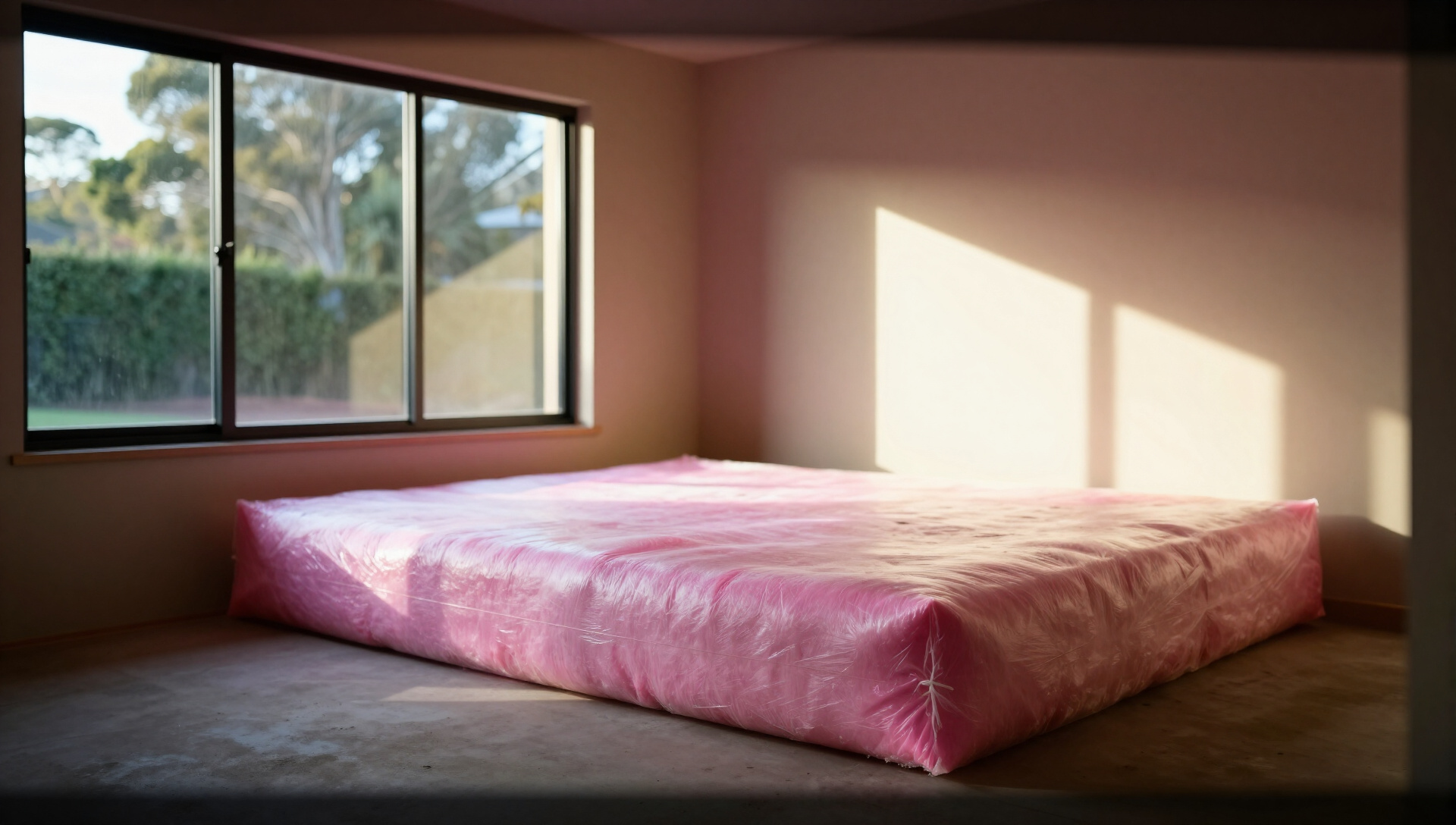
Vermont South has many 1960s to 1990s brick veneer and double brick homes with little or no insulation. Bulk batts in the ceiling and under the floor make the biggest difference to comfort and running costs.
Ceiling insulation slows the main path of winter heat loss. Underfloor batts stop cold air rising through floorboards. Together they reduce the workload on heaters and air conditioners.
Bulk insulation moderates the big day-to-day temperature swings in Melbourne. Rooms stay warmer in winter and cooler in summer without hot and cold spots.
Underfloor batts fitted between joists in the subfloor block draughts through gaps in floorboards. Ceiling dust removal and new batts also cut dust circulating from the roof space.
Dense batts absorb airborne noise. In open-plan homes and between bedrooms, bulk insulation reduces echo and outside noise from traffic or neighbours.
Glasswool and polyester batts do not settle or degrade over time if installed correctly. They maintain their R-value and thermal resistance for the life of the home.
Bulk batts fit between standard ceiling joists and wall studs. They can be retrofitted into existing homes or installed during renovations and new builds.
We begin with a roof space and subfloor inspection to check access, existing insulation and any issues like old compressed batts or ceiling dust. Then we plan the R-value and product to suit your home and budget.
We measure the roof space and subfloor, note the spacing of joists and studs, and check for downlights, flues, cables and any old insulation. If old batts may contain asbestos, work stops until a qualified asbestos assessor inspects it.
If needed, we extract built-up dust and debris from the roof space with industrial vacuums. We also clear space around downlights and flues to meet safety clearances before laying new batts.
We cut batts to fit snugly between ceiling joists and underfloor joists without gaps or compression. For walls, we fit batts into open stud frames during renovations or new builds. All work keeps required clearances.
We verify coverage, check for gaps and ensure no batts are compressed or covering vents. Then we remove all waste and leave the roof space and subfloor clean.
Vermont South sits in Melbourne’s eastern suburbs with a mix of 1960s to 1990s brick veneer homes and newer builds. Many of these houses have uninsulated ceilings and suspended timber floors, leading to high winter heat loss and cold floors. Bulk insulation in the ceiling and underfloor is the most cost-effective upgrade to improve comfort and cut energy bills.
Bulk insulation for ceilings, walls and floors in Vermont South.
Homeowners in Vermont South often ask how bulk insulation works, which R-value to choose and whether it can be added to existing homes. Here are direct answers based on local conditions and typical housing stock.
Bulk insulation in Vermont South slows heat flow with dense batts of glasswool, polyester or rockwool. These materials trap still air, providing thermal resistance measured by R-value. In ceilings, typical R-values range from R4.0 to R6.0 to counter winter heat loss. For walls, R2.0 to R2.7 is common, and under suspended floors, R1.5 to R2.5 helps stop cold air rising through floorboards.
Many Vermont South homes were built in the 1960s to 1990s with brick veneer or double brick walls and little or no ceiling insulation. Retrofitting bulk batts between ceiling joists and under floor joists reduces heating and cooling costs and improves comfort. Topping up thin or compressed old batts restores their thermal performance, while keeping clearances around downlights and flues ensures safety.
Underfloor insulation is especially effective in Vermont South for homes with suspended timber floors on stumps and bearers. Batts fitted between joists in the subfloor block draughts and cold air, reducing cold floors and heat loss. Ceiling dust removal before installing new batts also improves air quality and the effectiveness of the insulation.
Call Expert Insulation Melbourne on 0399695249 or email info@expertinsulationmelbourne. com. au to discuss bulk insulation for your Vermont South home.