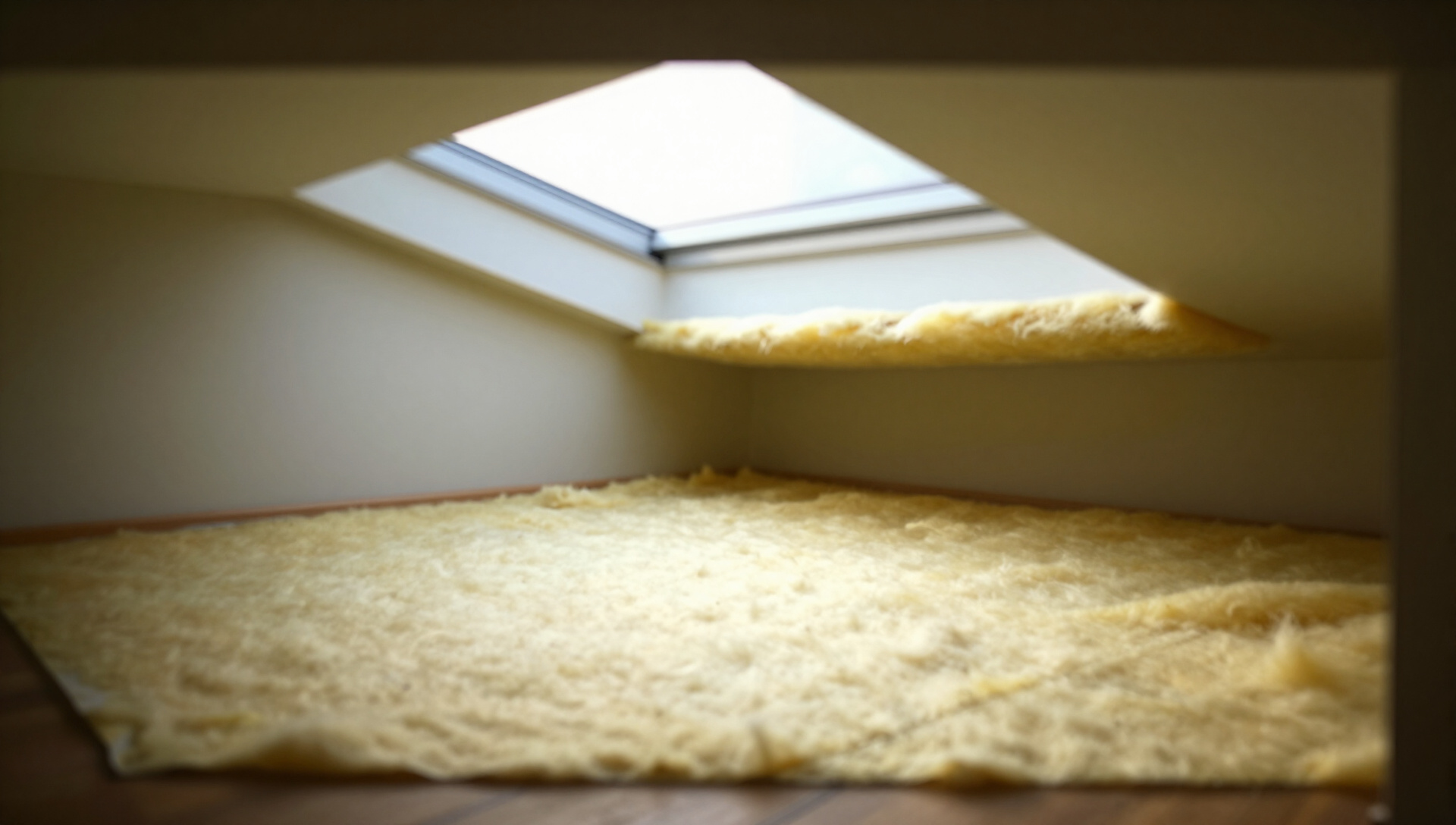
Roof insulation in Vermont South targets the primary source of summer heat gain: the roof itself. Without a reflective barrier, metal and tiled roofs absorb heat and radiate it into the roof space, increasing indoor temperatures and forcing cooling systems to work harder. Reflective foil laminates like sisalation and sarking are installed directly under the roofing material with an air gap to block up to 90% of radiant heat before it enters the home.
Vermont South’s climate, with hot dry summers and strong northerly winds, makes roof insulation a cost-effective upgrade. It complements existing ceiling insulation by addressing heat gain at the source, rather than relying solely on batts to slow heat transfer. This is particularly beneficial for homes with cathedral ceilings or limited roof space access, where traditional ceiling insulation may not be practical.
The installation process in Vermont South begins with a thorough roof inspection to assess access, roof type and structural considerations. Reflective foil is then measured, cut and installed with the required air gap, typically using existing rafters or battens. All edges are sealed to prevent air leakage and dust entry, ensuring long-lasting thermal performance and moisture control.