
Warmer floors in winter
Insulation under the floor reduces the chill that rises through timber floorboards. Rooms stay warmer and heating systems run less often, lowering energy costs in Vermont South winters.
Suspended Floor Specialists
Underfloor insulation in Vermont South stops cold floors and draughts through floorboards. We install bulk batts between joists in the subfloor to improve thermal resistance and comfort in older timber-framed homes.
Share your details and Expert Insulation Melbourne will contact you about Underfloor Insulation in Vermont South.
Underfloor insulation is installed between the floor joists from the subfloor under suspended timber floors. It is a practical solution for Vermont South homes with stumps and bearers, where cold air rises through gaps in the floorboards and the thin timber does little to block heat transfer. Glasswool, polyester or rockwool batts are fitted snugly between joists to create a continuous thermal barrier, with typical R-values from R1. 5 to R2.
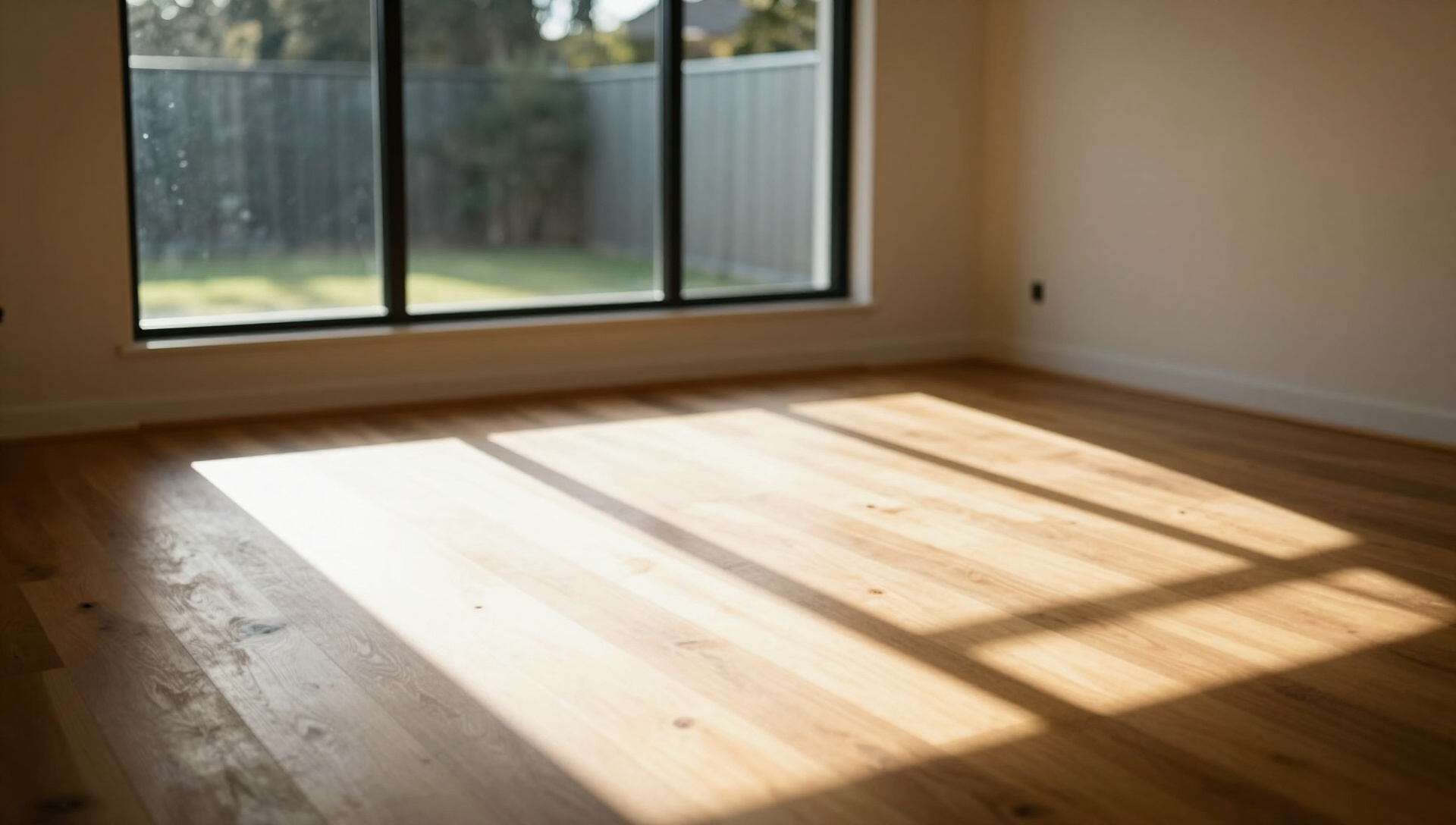
Vermont South has many older brick veneer and weatherboard homes on stumps with suspended timber floors. Without insulation under the floor, cold winter air and summer heat enter through the floorboards, making rooms harder to warm or cool. Underfloor batts cut this airflow and improve thermal performance where it is often missing.
Insulation under the floor reduces the chill that rises through timber floorboards. Rooms stay warmer and heating systems run less often, lowering energy costs in Vermont South winters.
Gaps between floorboards and around skirting let cold air in. Underfloor batts block this airflow, making the home feel more sealed and comfortable.
Timber floors have little inherent thermal resistance. Adding batts under the joists improves the overall R-value of the floor system, helping maintain indoor temperatures.
A well-ventilated subfloor with insulation helps manage moisture that can rise from the ground, reducing the risk of condensation on the underside of the floor.
Bulk insulation absorbs sound as well as heat. Underfloor batts reduce noise transfer from outside and between floors, which is useful in Vermont South homes near busy roads.
Once installed, underfloor insulation continues to perform for the life of the home. It is a one-time upgrade that improves comfort and reduces heating and cooling demand year after year.
Installing underfloor insulation requires access to the subfloor, usually through a crawl space or by lifting sections of flooring. We work carefully to fit batts snugly between joists without compressing them, which would reduce their effectiveness.
We check the subfloor for adequate crawl space, moisture issues and any existing insulation. Access points are identified, and we confirm the joist spacing and depth to select the right batts.
The area under the floor is cleared of debris, and we ensure the space is safe to work in. If old insulation is present and its condition is unknown, work stops until it is assessed.
Batts are cut to the exact width between joists and fitted without gaps or compression. We maintain clearances from electrical cables and other services as required.
Once all batts are in place, we inspect the installation for consistent coverage and secure any access panels. The site is left clean, with no loose material remaining in the subfloor.
Vermont South has a mix of older brick veneer and weatherboard homes, many with suspended timber floors on stumps and bearers. These floors often lack insulation, leading to cold floors in winter and heat gain in summer. Underfloor batts are a straightforward upgrade that improves comfort and reduces energy use in these homes.
Stop cold floors and draughts with underfloor insulation installed under suspended timber floors in Vermont South.
Homeowners in Vermont South often ask about access, R-values and whether underfloor insulation is worth it for older homes. Here are the key details.
Underfloor insulation in Vermont South targets the cold floors and draughts common in older homes with suspended timber floors. Without insulation under the joists, cold air rises through gaps in the floorboards, making rooms feel chilly and increasing heating costs. Installing glasswool, polyester or rockwool batts between the joists adds thermal resistance and reduces airflow, improving comfort and energy efficiency.
Vermont South homes built on stumps and bearers often have little or no insulation under the floor. This is a significant gap in the building envelope, as the floor can account for a large portion of heat loss in winter. Underfloor batts with R-values from R1.5 to R2.5 are typically used, depending on the available depth between the joists and the ground clearance.
The installation process requires access to the subfloor, which may be limited in some Vermont South homes. We assess crawl space height, joist spacing and the condition of the existing subfloor before proceeding. Batts are cut to fit snugly between joists without compression, and we ensure clearances are maintained around cables and other services. The result is a warmer, more comfortable home with lower heating and cooling costs.
Stop cold floors and draughts with underfloor insulation installed by Expert Insulation Melbourne. We work in Vermont South and surrounding suburbs, fitting batts under suspended timber floors to improve comfort and efficiency.